
Gestational Age Calculator
Calculate fetal age from your Estimated Due Date (EDD)
EDD is typically calculated as 40 weeks from LMP.
Accurately determining gestational age is foundational to good maternal and neonatal care. One of the simplest and most widely used methods for estimating gestational age is a gestational age calculator from EDD — the estimated date of delivery. This long-form article explores the origins, objectives, clinical and programmatic implementation, regional impact, policy framework, and future prospects of using a gestational age calculator from EDD. It also examines state-wise benefits, women empowerment schemes, rural development implications, social welfare initiatives, success stories, and challenges. The goal is to provide an authoritative, SEO-optimized resource that helps clinicians, program managers, policymakers, and community health workers understand why and how a gestational age calculator from EDD matters for maternal and child health.
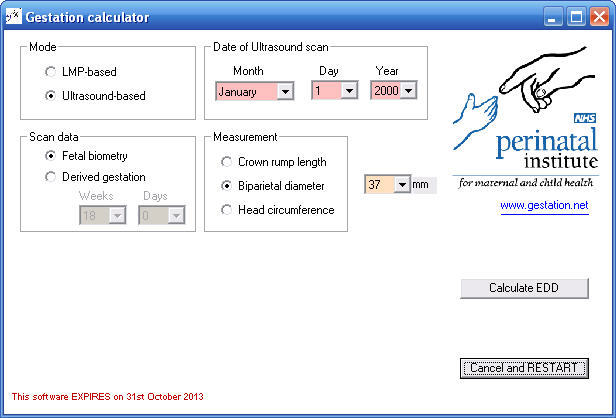
Understanding the Basics: What Is a Gestational Age Calculator from EDD?
A gestational age calculator from EDD converts an estimated date of delivery into the gestational age of the pregnancy at a given reference date. In everyday clinical practice, the EDD is often derived from either the first day of the woman’s last menstrual period (LMP) or from ultrasound measurements. The calculator then provides the pregnancy’s age in weeks and days, enabling timely clinical decisions, antenatal scheduling, and counseling.
The simplicity of a gestational age calculator from EDD belies its importance. From triaging high-risk pregnancies to timing antenatal corticosteroids, many clinical interventions depend on accurate gestational dating. Beyond clinical care, use of a gestational age calculator from EDD enables health systems to monitor program outcomes, plan resource allocation, and drive policy decisions that impact maternal and neonatal health at scale.
Historical Context: How Gestational Dating Evolved
Accurate gestational dating has a long history. Traditional methods relied heavily on LMP, fundal height measurements, and clinical intuition. With the advent of ultrasound in the mid-20th century, clinicians gained an objective tool for early pregnancy dating. However, in many low-resource settings, ultrasound access is limited, and the LMP remains the primary input for a gestational age calculator from EDD.
The evolution toward algorithmic calculators paralleled the rise of digital health. Early mechanical calculators gave way to electronic calculators, mobile apps, and health information systems that embed a gestational age calculator from EDD into clinical workflows. This transition democratized access, allowing frontline workers in remote areas to compute gestational age reliably, contributing to improved prenatal care delivery.
Objectives of Using a Gestational Age Calculator from EDD
The primary objective of a gestational age calculator from EDD is to provide a reproducible, standardized estimate of pregnancy age to inform clinical and public health decision-making. Secondary objectives include:
- Supporting targeted antenatal interventions that depend on gestational age.
- Facilitating standardized reporting and surveillance of pregnancy outcomes.
- Enabling evidence-based resource planning at facility, district, and state levels.
- Enhancing patient counseling by providing clear, time-based milestones.
- Promoting equity in care by making gestational dating accessible across socio-economic and geographical divides.
Incorporating a gestational age calculator from EDD into maternal health programs aligns with broader women empowerment schemes and social welfare initiatives aimed at improving reproductive health outcomes.
How a Gestational Age Calculator from EDD Works: Inputs and Principles
At its core, a gestational age calculator from EDD uses a reference date (EDD) and computes backward to determine the number of completed weeks and days of pregnancy on any given date. Common inputs and principles include:
- EDD derived from LMP: When reliable, LMP-based EDD is the most accessible. The gestational age calculator from EDD uses Naegele’s rule (adding 280 days to LMP) to estimate delivery and then computes gestational age accordingly.
- EDD derived from ultrasound: First-trimester ultrasound crown-rump length is more accurate than LMP-based estimates and is preferred where available. A gestational age calculator from EDD can accept ultrasound-derived EDD, improving precision.
- Reference date selection: Clinicians often use the date of the clinical visit or a specified reporting date to calculate gestational age from EDD.
- Handling uncertainty: When LMP is unknown or irregular, or when multiple EDDs exist, the gestational age calculator from EDD should flag uncertainty and recommend follow-up scans or conservative management.
By ensuring a clear input hierarchy — ultrasound first (when available), followed by reliable LMP — a gestational age calculator from EDD provides a transparent method for clinicians and program managers.
Clinical Significance: Why Accurate Gestational Age Matters
Clinical decision-making hinges on gestational age. A gestational age calculator from EDD directly influences:
- Timing of antenatal corticosteroids to mature fetal lungs in threatened preterm labor.
- Decisions about tocolysis and neonatal transfer for pregnancies at the threshold of viability.
- Scheduling of prenatal screening tests and vaccinations.
- Interpretation of fetal growth charts and detection of growth restriction.
- Planning for induction of labor or cesarean delivery when indicated.
Misclassification of gestational age can lead to premature interventions or missed opportunities for lifesaving care. In this sense, a gestational age calculator from EDD is not a convenience — it is a clinical imperative that supports both maternal and neonatal survival.
Implementation Models: From Tertiary Centers to Community Health Workers
Implementing a gestational age calculator from EDD can occur at multiple levels of a health system:
- Tertiary and secondary facilities: Integration into electronic medical records enables obstetricians to use a gestational age calculator from EDD automatically during consultations and in inpatient management.
- Primary care and clinics: Simple digital or offline calculators on tablets and smartphones give midwives and general practitioners immediate access to gestational age from EDD.
- Community health workers and outreach: Paper-based nomograms, SMS services, and lightweight apps equipped with a gestational age calculator from EDD empower community health workers to perform antenatal assessments in rural settings.
Successful implementation requires training, standardized protocols (e.g., which EDD to prefer), and linkage to referral pathways. Embedding a gestational age calculator from EDD within routine maternal health checklists has proven effective in ensuring consistent use.
Policy Framework: Integrating Gestational Age Tools into Public Health Programs
To maximize impact, a gestational age calculator from EDD should be integrated into the policy framework of maternal health programs. Policy actions include:
- Standardizing EDD documentation formats across health facilities and programs.
- Recommending an input hierarchy (ultrasound-confirmed EDD prioritized over LMP).
- Requiring training modules for frontline staff on how to use a gestational age calculator from EDD and interpret its outputs.
- Incorporating gestational age variables into maternal and newborn health reporting systems to enable state-wise analysis.
When included in national maternal health policies, the gestational age calculator from EDD becomes a tool for accountability and planning. It supports targeted interventions under women empowerment schemes and social welfare initiatives that hinge on accurate pregnancy monitoring.
State-Wise Benefits and Regional Impact
Different states and regions have unique maternal health profiles, health system strengths, and gaps. A gestational age calculator from EDD contributes to state-wise benefits by:
- Enabling state health departments to stratify risk and allocate resources where preterm birth rates or low birthweight prevalence are highest.
- Supporting targeted rural development efforts by identifying districts with systemic delays in antenatal care.
- Feeding into regional dashboards that monitor antenatal coverage, timing of first antenatal visit, and adherence to recommended interventions.
In regions where ultrasound access is limited, a gestational age calculator from EDD based on LMP can still provide meaningful programmatic insights. Where diagnostic capacity is higher, ultrasound-derived EDD improves clinical accuracy and enhances the value of state-level reporting. Across both contexts, the gestational age calculator from EDD serves as a common metric that bridges clinical care and policy planning.
Success Stories: Real-World Outcomes Enabled by Gestational Age Tools
Several programs worldwide have seen tangible benefits from integrating gestational dating tools. Community-based initiatives that trained health workers to use a gestational age calculator from EDD reported improvements in timely referrals for preterm labor and better counseling for at-risk pregnancies. Districts that adopted the calculators at scale observed more accurate reporting of preterm birth rates and improved targeting of neonatal care services.
One illustrative success story involved a rural district where community midwives used a gestational age calculator from EDD during antenatal visits. The standardized approach reduced late registrations, increased timely referrals to higher-level centers, and improved neonatal outcomes by enabling earlier administration of antenatal corticosteroids when preterm labor occurred. The program’s success hinged on simple devices, routine training, and supportive referral systems — underscoring that a gestational age calculator from EDD need not be technologically complex to be transformative.
Comparative Analysis: Gestational Age Calculator from EDD vs Other Dating Methods
When considering accuracy and practicality, the gestational age calculator from EDD compares to other methods in distinct ways:
- LMP-based dating: Readily available and inexpensive but subject to recall bias and menstrual irregularities. A gestational age calculator from EDD using LMP is practical for large-scale programs but less precise than ultrasound.
- Ultrasound dating: Most accurate in the first trimester. A gestational age calculator from EDD that uses ultrasound-derived EDD yields more reliable gestational age estimates, particularly important for clinical decision-making.
- Fundal height and clinical examination: Useful where other inputs are absent but less precise and more variable between observers. A gestational age calculator from EDD can be supplemented by these clinical methods but performs best with objective inputs.
The ideal approach blends methods: use the most accurate input available while documenting uncertainty. In policy terms, a gestational age calculator from EDD should be promoted alongside efforts to expand early ultrasound access and to improve LMP recording practices.
Operational Challenges and Limitations
Despite clear benefits, implementing a gestational age calculator from EDD faces several challenges:
- Reliance on self-reported LMP: Forgetfulness, irregular cycles, and sociocultural factors can compromise the accuracy of LMP, affecting the gestational age calculator from EDD’s output.
- Limited ultrasound access: In many rural and resource-poor regions, lack of equipment or skilled operators restricts access to ultrasound-derived EDD, making the gestational age calculator from EDD dependent on less accurate inputs.
- Data recording and interoperability: Fragmented health information systems reduce the utility of a gestational age calculator from EDD for population-level monitoring.
- Training and standardization: Variability in staff training and absence of standardized protocols reduce consistent use of a gestational age calculator from EDD.
- Sociocultural barriers: Late presentation to antenatal care and gender-based decision-making can delay EDD establishment and limit the effective use of a gestational age calculator from EDD.
Addressing these challenges requires cross-sector investments in training, instruments, and information systems, as well as community engagement that promotes early antenatal registration and women empowerment schemes.
Integrating with Women Empowerment and Social Welfare Initiatives
A gestational age calculator from EDD aligns closely with women empowerment agendas. Accurate gestational dating empowers women by providing timely information about their pregnancies, enabling informed decisions, and connecting them to essential services. Social welfare initiatives that provide conditional cash transfers for antenatal visits can use gestational age data from a gestational age calculator from EDD to verify eligibility and timing.
Moreover, integrating gestational age tools with state-run schemes helps ensure that benefits are delivered when they are most clinically useful — for example, ensuring that pregnant women at risk of preterm birth receive priority access to facility-based care. Linking the gestational age calculator from EDD with maternal health insurance enrollment, transportation subsidies, and nutritional programs amplifies the value of accurate dating for broader social welfare goals.
Role in Rural Development and Health Equity
Rural populations often face the highest maternal and neonatal mortality burdens. A gestational age calculator from EDD is a cost-effective lever to improve rural maternal care because it standardizes care pathways and supports early detection of high-risk pregnancies. When combined with mobile health platforms and community health worker networks, a gestational age calculator from EDD contributes to more equitable access to maternal services and better resource distribution in rural development strategies.
Investment in portable ultrasound, training for peripheral health workers, and digital tools that embed a gestational age calculator from EDD can reduce the urban–rural disparity in pregnancy outcomes. Over time, such interventions contribute to expanded access, improved trust in health systems, and enhanced social welfare outcomes for marginalized communities.
Monitoring, Evaluation, and Data Use
For program managers, a gestational age calculator from EDD becomes powerful when its outputs feed into monitoring and evaluation frameworks. Key metrics that benefit from accurate gestational dating include timing of first antenatal contact, coverage of essential interventions by gestational age (e.g., tetanus, iron supplementation), preterm birth rates, and neonatal outcomes.
Integrating the gestational age calculator from EDD into electronic registries allows real-time dashboards that inform state-wise benefits allocation and policy adjustments. Aggregated, de-identified data help identify hotspots, track progress under women empowerment schemes, and evaluate the impact of rural development interventions on maternal and neonatal health metrics.
Training and Capacity Building
The effectiveness of a gestational age calculator from EDD depends on human capacity. Training curricula should cover:
- How to determine EDD from LMP and ultrasound reports.
- Prioritization rules when multiple EDD sources conflict.
- Communicating gestational age and implications to pregnant individuals.
- Documentation practices to ensure EDD is captured in medical records and program registers.
Capacity building should be continuous and include simulation-based learning and mentorship. Embedding a gestational age calculator from EDD into routine audits and obstetric morbidity reviews reinforces its practical value and encourages consistent use.
Comparative Schemes: How Gestational Dating Fits with Other Maternal Initiatives
While a gestational age calculator from EDD is a technical tool, it complements broader maternal health schemes such as nutrition programs, cash transfer schemes, and facility strengthening initiatives. In comparison with interventions that focus on infrastructure or incentives alone, a gestational age calculator from EDD directly influences clinical timing, making it a unique bridge between individual-level clinical care and population-level policy.
For example, a state program that provides transport vouchers to pregnant women can improve efficiency by using gestational age data to prioritize trips for women nearing term or at high risk of preterm birth. Similarly, targeted antenatal education modules delivered by community health workers can be tailored using gestational age information from a gestational age calculator from EDD to ensure messaging aligns with pregnancy milestones.
Case for Technology: Digital Tools and Innovation
Digital tools amplify the reach and reliability of a gestational age calculator from EDD. Smartphone apps, integrated EMR modules, and SMS-based systems allow rapid, consistent computation and documentation. Innovations such as decision support systems can trigger alerts for overdue antenatal visits or flag pregnancies requiring referral based on gestational age thresholds.
However, technology alone is insufficient without supportive policies, training, and infrastructure. Thoughtful design ensures tools are user-friendly, interoperable with national health information systems, and accessible offline for areas with limited connectivity. When well-implemented, a gestational age calculator from EDD embedded within digital platforms enhances program accountability and clinical care.
Financing and Sustainability
Sustaining the use of a gestational age calculator from EDD within public health programs requires ongoing financing for training, equipment, and data systems. States can leverage central funds, health insurance schemes, and partnerships with non-governmental organizations to finance rollout and maintenance. Demonstrating the cost-effectiveness of improved gestational dating — via reductions in preterm-related complications and better targeting of interventions — strengthens the case for sustained investment.
Embedding the gestational age calculator from EDD into routine budgets for maternal health, rather than as a one-time project expense, fosters long-term integration into the health system and maximizes return on investment through improved outcomes.
Future Prospects: Innovations and Policy Directions
Looking ahead, the role of a gestational age calculator from EDD will expand as technologies and policies evolve. Promising directions include:
- Wider adoption of early-pregnancy ultrasound through portable, low-cost devices linked to cloud-based EDD calculators.
- Machine-learning algorithms that refine gestational age estimates using combined inputs (LMP, ultrasound, biometrics).
- Standardized national protocols that mandate the recording of EDD in maternal health records and registries.
- Integration with maternal digital IDs and social welfare platforms to automate benefits tied to gestational milestones.
- Community education campaigns that promote early antenatal registration and accurate LMP recall, improving input quality for a gestational age calculator from EDD.
Such advances will magnify the impact of gestational dating on maternal and neonatal health, while reinforcing the role of the gestational age calculator from EDD as both a clinical and programmatic cornerstone.
Ethical and Equity Considerations
Ethical use of a gestational age calculator from EDD involves respecting patient privacy, ensuring informed consent when digital systems are used, and preventing misuse of gestational information that could limit access to care. Equity-minded implementation prioritizes regions with the highest maternal and neonatal needs and designs tools that cater to low-literacy users and local languages.
By centering women’s rights and autonomy, policymakers can ensure that a gestational age calculator from EDD functions as an empowering tool rather than a bureaucratic checkbox.
Recommendations for Policymakers and Program Managers
To maximize the benefits of a gestational age calculator from EDD, policymakers and program managers should consider the following actionable steps:
- Adopt standardized protocols that prioritize ultrasound-derived EDD when available and provide clear guidance for LMP use.
- Invest in training for all cadres of maternal health providers and integrate the gestational age calculator from EDD into routine clinical checklists.
- Ensure data systems capture EDD and gestational age in structured fields to enable state-wise analytics and program monitoring.
- Promote community-level education initiatives to encourage early antenatal registration and accurate LMP recall.
- Allocate funds for scalable digital solutions that embed a gestational age calculator from EDD and permit offline use in resource-limited settings.
- Foster partnerships between public health, academia, and private sector innovators to pilot advanced gestational dating technologies and evaluate outcomes.
These recommendations support a coherent policy framework in which the gestational age calculator from EDD plays a central role in improving maternal and newborn health.
Challenges Revisited: Practical Steps to Overcome Barriers
Addressing the key barriers to effective gestational dating requires pragmatic interventions:
- Strengthen LMP data quality by incorporating simple LMP memory aids during community visits and antenatal counseling.
- Increase access to first-trimester ultrasound through task-shifting, portable devices, and tele-radiology support.
- Improve interoperability by aligning data standards across state and national health information systems to capture EDD consistently.
- Provide continuous mentorship and on-site supportive supervision to reinforce correct use of a gestational age calculator from EDD.
By tackling these challenges head-on, health systems can enhance the reliability and impact of gestational dating practices.
Conclusion: Why a Gestational Age Calculator from EDD Is Essential
A gestational age calculator from EDD is a deceptively simple tool with outsized implications for maternal and neonatal outcomes. It connects clinical care to programmatic planning, informs targeted interventions under women empowerment schemes, and supports rural development by promoting equitable access to timely care. Integrating the gestational age calculator from EDD into policy frameworks, training programs, digital platforms, and social welfare initiatives will magnify its benefits across states and communities.
Policymakers, clinicians, and public health practitioners should embrace the gestational age calculator from EDD not merely as a computational convenience, but as a strategic asset that advances maternal and child health goals across diverse settings.
Frequently Asked Questions